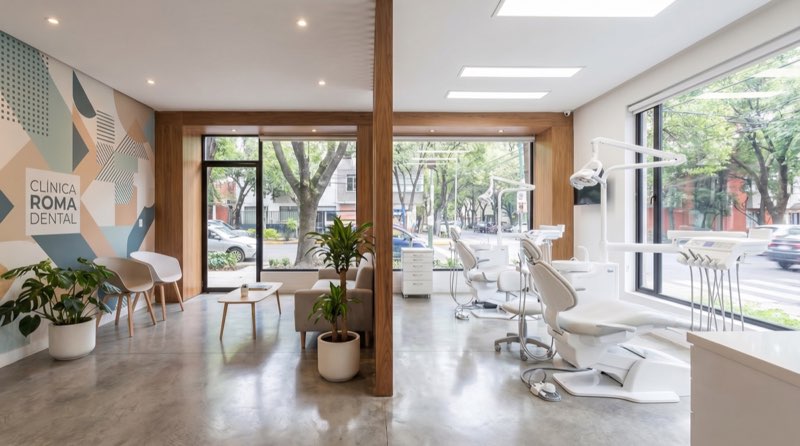
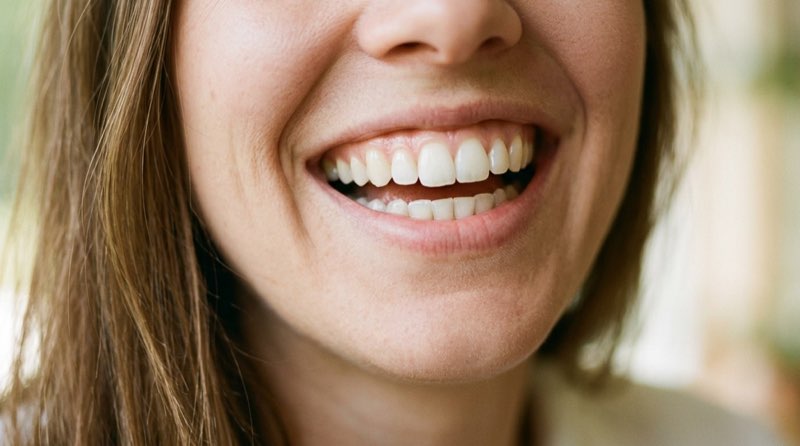
Yes, some ways to improve teeth can avoid tooth grinding, but the right option depends on whether you want to change color, position, shape, or repair a small imperfection. At Clínica DrDiente Roma Norte, an assessment can help distinguish between whitening, orthodontics, bonding, and veneer options based on your starting point. “No-prep” does not automatically mean appropriate for every smile; healthy teeth, gums, bite, available space, and your goals all matter.
Think of a smile plan like choosing the right tool for a home project: paint can refresh a wall, while moving a doorway solves a layout issue. Both can improve the room, but they do different jobs. This article is educational information, not a personal diagnosis; a dental professional should assess your individual case.
What does improving teeth without grinding mean in Roma Norte?
Usually, it means looking first at approaches that do not remove enamel. Whitening aims to lighten natural tooth color. Orthodontic treatment moves teeth to improve their appearance and function. Bonding adds a dental material to selected areas of a tooth. These approaches are not interchangeable, but each may be useful when its purpose matches the concern.
Professional whitening is intended to change color, not tooth shape or position. The NHS explains that whitening lightens teeth with gel and may sometimes involve a laser. It also notes that whitening does not change the color of crowns, implants, or dentures, so an even result cannot be assumed when restorations are already present. NHS guidance on teeth whitening
Orthodontics works differently. Braces and other orthodontic appliances straighten or move teeth, which can improve both appearance and function. In simple terms, it changes the arrangement rather than placing a cover over the front of a tooth. NHS information on dental treatments
Bonding may be considered for selected small aesthetic concerns because material is bonded directly to the tooth. The American Dental Association’s MouthHealthy describes it as a way to address minor imperfections and distinguishes it from veneers. ADA/MouthHealthy: ways to improve a smile
Here is the important part: preserving tooth structure is a worthwhile conversation, but it is only one part of planning. A treatment that avoids grinding may still be unsuitable if it makes teeth look bulky, does not address the main concern, or does not work with the bite.
Which alternatives may help without changing tooth structure?
The most useful question is not simply “Can this be done without grinding?” It is “What exactly do I want to change?” Naming the problem clearly helps make the consultation more productive.
- For a darker natural tooth shade: whitening may be discussed when dental and gum health allow it.
- For crowding, spacing, or alignment: orthodontic movement may address position and function.
- For a small chip or uneven edge: bonding may be one option to explore.
- For larger changes in shape or coverage: veneers may be discussed, including whether minimal or no preparation is realistically possible.
Whitening deserves a practical expectation: it can lighten natural teeth, but it does not reshape them or close a space. It can also cause sensitivity to cold or sweet foods, gum or throat discomfort, and temporary white patches on the gums. The NHS advises that whitening done outside dental care can damage teeth and gums. NHS guidance on whitening risks and limits
That sounds like a limitation, but it can actually simplify the decision. If color is the only concern, a color-focused option may be more relevant than a restoration. If the concern is a rotated tooth, changing its color will not move it. Clear expectations protect both comfort and aesthetics.
When may “no-prep” veneers not be the answer?
Some veneers may require little preparation or none in selected situations, but “no-prep” is not a universal promise. Veneers cover the front surface of teeth and can be used to address discoloration, breakage, spaces, irregular shape, or certain alignment concerns. The ADA notes that composite veneers may require less enamel removal, while porcelain veneers commonly involve removal of enamel from the front and sides of the tooth. ADA/MouthHealthy: veneers
The key is proportion. Adding material without creating enough room can be a bit like placing a second phone case over the first one: more material is present, but the fit may no longer feel or look right. The initial tooth shape, the space available, the way upper and lower teeth meet, and the intended change all influence whether no-prep treatment can be considered.
The NHS notes that some veneers do not require drilling into the front surface, while the ADA explains that enamel removal for veneers is irreversible. These statements are not contradictory; they show why the details of the planned treatment matter. NHS dental treatment information ADA/MouthHealthy veneer information
A systematic review has evaluated no-preparation and minimal-preparation veneers, but reported methodological differences among the available studies and called for cautious interpretation. In other words, the published evidence does not support treating a label as a guarantee of suitability or outcome. Systematic review indexed in PubMed
There is another reason to slow down before deciding. Veneers can chip, fracture, wear down, or loosen, and cavities can still occur around or beneath them. Bruxism, clenching, and a deep overbite may make veneers less suitable in some cases. ADA/MouthHealthy: veneer considerations
What should be checked before choosing a conservative option in CDMX?
A thoughtful assessment looks beyond the front of the teeth. It considers what is visible when you smile, but also the health and function that support it. Before committing to a cosmetic change, it is reasonable to ask how the choice relates to gums, cavities, existing restorations, alignment, and bite.
For example, whitening is not contemplated by the NHS when teeth or gums are not healthy. That does not diagnose a problem in any individual; it simply explains why health is part of deciding whether and when to proceed. NHS whitening guidance
Interest often grows once people learn that conservative options exist: could one option improve everything at once? Usually, no. That is precisely why a focused assessment is useful. It can separate what is possible from what is merely appealing in a photo or advertisement, then connect the treatment to the actual goal.
What should I ask during a Roma Norte consultation?
Bring a simple description of what you would like to change and ask direct questions. A clear conversation may include:
- What is the main issue in my case: color, position, shape, a small defect, or more than one?
- Can a conservative option address that goal without making the result look overcontoured?
- How do my gums, bite, alignment, and existing restorations affect the options?
- What are the likely limits, maintenance needs, and risks of each option?
You can also ask whether the recommended pathway involves adding material, moving teeth, changing color, or modifying tooth structure. That one question makes it easier to understand the trade-offs without assuming that one approach is best for everyone.
Frequently asked questions about improving teeth without grinding
Does whitening wear down teeth?
Whitening is intended to lighten natural tooth color rather than change tooth shape. The NHS describes sensitivity and irritation among possible effects, so it is sensible to discuss suitability with a dental professional instead of treating it as a cosmetic product with no considerations. NHS teeth whitening guidance
Do veneers always require tooth grinding?
No. The NHS says some veneers may not require drilling into the front surface, but many veneer plans do involve preparation. The ADA explains that removal of enamel is irreversible, so the amount of preparation and its reason should be discussed before treatment. NHS dental treatments ADA/MouthHealthy veneers
Can bonding fix every cosmetic concern?
Not necessarily. Bonding can help with selected minor aesthetic imperfections because material is added directly to the tooth. It does not automatically solve substantial alignment, bite, color, or restorative concerns. A professional assessment can clarify whether it matches the objective. ADA/MouthHealthy: improving a smile
Is orthodontics only for appearance?
No. Orthodontic appliances can move teeth to improve appearance and function. Whether orthodontics is relevant depends on the individual position of the teeth and bite, rather than on a general preference to avoid tooth preparation. NHS information on orthodontic treatment
How and where can I request an assessment in Roma Norte?
You can request an assessment with Clínica DrDiente Roma Norte at Monterrey 147, Roma Norte, Cuauhtémoc, 06700 CDMX, or use the contact page. The clinic’s listed hours are Monday through Saturday, 09:00–18:00; it is closed Sunday. A request for an appointment is not the same as a confirmed appointment. You may also call +52 56 1016 7727 to ask about the process.
When to request a professional assessment
Request an assessment when you are considering whitening but have existing crowns, implants, or dentures; when your teeth or gums do not feel healthy; when you clench or grind; or when you are deciding between bonding, orthodontics, and veneers. These are moments when the visible concern may not tell the whole story.
It is also worth booking when the phrase “without grinding” is the main reason you are leaning toward a treatment. The goal is not to force a procedure into that preference. It is to understand whether a conservative route can meet your goal while respecting your oral health and bite.
If you are ready to discuss your options in CDMX, start with a clear objective and a few questions. Request an assessment through Clínica DrDiente Roma Norte’s contact page. A professional can evaluate your case and explain the options, limits, and next steps that apply to you.

Information from Clínica DrDiente
Aesthetic Dentistry & Oral Rehabilitation · COFEPRIS 2409132002A00145
This content is informational and is not a substitute for professional dental advice. Book an assessment for a personalized diagnosis.