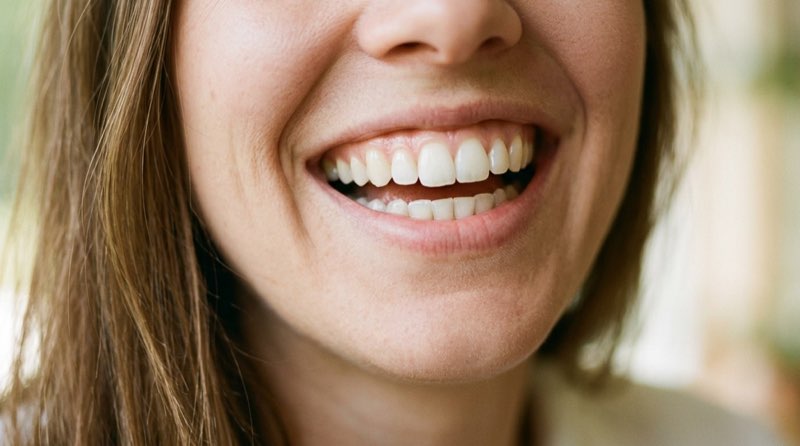
No. A smile design does not automatically mean getting veneers. It is usually an aesthetic planning process: understanding what you would like to change, reviewing your oral health and bite, and discussing possible paths. At Clínica DrDiente Roma Norte, that conversation should begin with an individual evaluation, not with a predetermined procedure. A digital visualization can help communicate possibilities, but it does not itself decide what treatment is appropriate. Research on digital smile design describes it as a tool for visualization and communication.
If you live or work near Roma Norte, CDMX, the useful question is not “Which veneer should I get?” but “What is causing the change I want to make, and what options fit my mouth?” Color, alignment, a space, an old restoration, tooth shape, gum health, and bite can point to very different conversations. This article is educational; only a dental professional who evaluates your case can recommend a plan.
Why a smile design in Roma Norte is not one treatment
“Smile design” is a broad expression, not the name of a single material or procedure. Think of it like planning a room renovation: seeing a layout can clarify the goal, yet it does not mean every wall must be replaced. In dentistry, photos, scans, or a digital simulation may help make the discussion more concrete. They can be useful for aligning expectations, but they cannot by themselves predict biological response, function, or how long a restoration will last. The available review of digital smile design makes that distinction important.
Veneers are one possible option. They are thin coverings placed on the front surface of a tooth to change its appearance, such as color, shape, visible spacing, or the look of a chipped tooth. They do not cover the entire tooth; a crown does. ADA/MouthHealthy explains this difference clearly.
That distinction matters because a desired “before and after” appearance does not explain what your teeth and gums need. A plan that looks attractive on a screen may still need adjustment after an examination of decay, gum condition, bite, tooth wear, and relevant habits. It is reasonable to ask for the reasoning behind each option.
Here is the key point: planning is not a promise, and a cosmetic goal is not automatically an indication for veneers. The next question is what other paths may address the concern.
What may be considered instead of—or before—veneers
The suitable route depends on the finding and the goal. A professional may discuss one approach, a sequence of approaches, or no restorative treatment at all. For example, the NHS describes different purposes for whitening, orthodontics, fillings, and crowns: whitening changes color; orthodontics moves teeth and may improve appearance and function; fillings repair decay; and crowns may be used when a tooth is broken, decayed, damaged, or needs an aesthetic change. See the NHS overview of dental treatments.
- Color concern: whitening may be discussed when the main goal is to lighten natural tooth color.
- Position or spacing concern: orthodontic assessment may be relevant when moving teeth is part of the issue.
- Decay or a damaged area: a filling, crown, or other restorative care may be considered according to the tooth’s condition.
- Shape or front-surface appearance: veneers may be among the options after the clinical evaluation.
This is not a menu to self-select from. Two people can ask for a “more even smile” and need different discussions. One may mainly be concerned with shade; another may have visible wear; another may benefit from addressing alignment or gum health first. That is why a careful consultation is more useful than choosing from photos alone.
Could a veneer still be appropriate? It may be, but its advantages and limits deserve a clear explanation. Porcelain and composite veneers have different characteristics. According to ADA/MouthHealthy, composite veneers may require removal of less enamel and can be easier to repair, while being less resistant to staining and wear. Neither description makes one material the universal answer.
But there is another layer to consider: an attractive option must also respect the health of the teeth, gums, and bite. That is where the planning conversation becomes genuinely useful.
What an evaluation should clarify before a smile design
An evaluation is not merely a chance to pick a shade or review a reference image. It is where the professional connects your goal with clinical information. Ask how the proposed option relates to the condition of the teeth, gum tissues, and bite. If decay or gum disease is present, those issues should be treated before veneers; placing veneers over unhealthy teeth can worsen existing problems. ADA/MouthHealthy notes this precaution.
It is also important to understand the irreversible part of a decision. Removing enamel for a veneer is irreversible. Veneers can chip, fracture, wear, loosen, or develop decay around or beneath them. Bruxism, clenching, and a deep overbite may make them less suitable in some cases. These general risks are outlined by ADA/MouthHealthy. Restorative materials and adhesives also face chewing forces, saliva, bacteria, pH changes, and temperature changes over time; repeated replacement can require removing additional tooth structure. NIDCR summarizes these material challenges.
A professional can place your personal situation in context. Published outcomes cannot predict an individual result. For perspective, a systematic review of porcelain laminate veneers reported an estimated cumulative 10-year survival of 95.5% in the included studies, with fracture and debonding among commonly reported failures. That is population-level evidence from the studied techniques, not a guarantee for any person or a direct comparison with every alternative. Read the systematic review.
What should you bring to the conversation? A simple description of what bothers you most, any history of sensitivity or restorations, and questions about the proposed sequence can be more valuable than trying to arrive with a treatment already chosen.
Questions to ask at a smile design consultation in CDMX
Good questions help turn a vague aesthetic request into an informed decision. You do not need dental vocabulary to ask them. The goal is to understand the purpose, alternatives, trade-offs, and follow-up needs in plain language.
- What clinical finding is this option intended to address?
- Are my teeth, gums, and bite ready for an aesthetic restoration, or should something be treated first?
- What alternatives could meet my goal, and what would each one change?
- Would enamel removal be needed, and what does that mean for future care?
You can also ask how a simulation will be used in the decision. A simulation is helpful when it supports a conversation about proportions, color, and expectations. It should not be presented as a substitute for examination or as a guaranteed preview of a final biological or functional outcome.
One practical detail often gets missed: requesting an appointment is the first step, not confirmation of an appointment. Knowing how local scheduling works avoids assumptions and lets you prepare your questions calmly.
Frequently asked questions about smile design and veneers
Does a smile design always include veneers?
No. Smile design commonly refers to planning and communicating aesthetic possibilities, while veneers are one specific treatment option. Depending on the concern, the discussion may involve whitening, orthodontics, restorative care, veneers, or another sequence of care. Digital smile design evidence supports its role as a communication and visualization tool rather than a mandatory veneer pathway.
Are veneers and crowns the same thing?
No. A veneer covers the front surface of a tooth, while a crown covers the entire tooth. The difference affects what each option is designed to do and why an examination matters. ADA/MouthHealthy and the NHS treatment guide describe these different roles.
Do all veneers require tooth preparation?
Some veneer plans involve removing enamel, and this is irreversible. The NHS notes that not all veneers require drilling the front surface of a tooth, but whether preparation is relevant in your situation requires professional assessment. See the NHS guidance. Ask specifically what preparation, if any, is proposed and why.
Can veneers be placed if there are cavities or gum problems?
Those problems should be addressed first. Covering teeth that are not healthy can make existing issues worse. ADA/MouthHealthy identifies treating decay and gum disease before veneers as an important precaution. An evaluation can clarify the proper order of care without diagnosing yourself from symptoms or images.
How and where can I request an evaluation in Roma Norte?
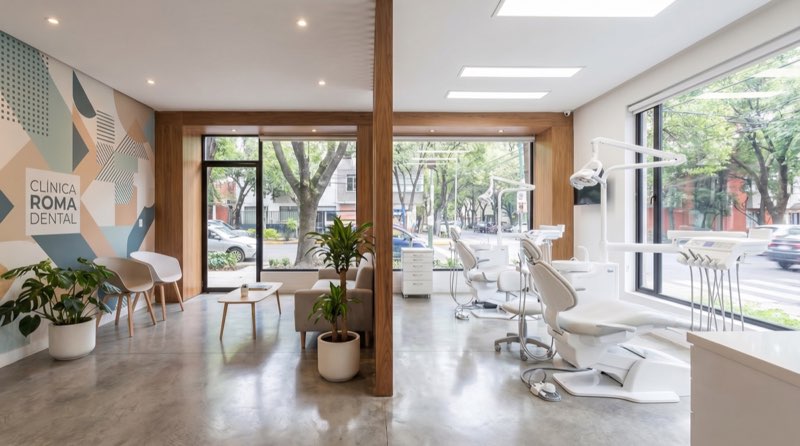
You can request an evaluation through the clinic’s contact page or learn more about the local office at Dentist in Roma Norte. Clínica DrDiente Roma Norte is located at Monterrey 147, Roma Norte, Cuauhtémoc, 06700 CDMX. Requests can be made for scheduling support by phone at +52 56 1016 7727; hours are Monday through Saturday, 09:00–18:00, and Sunday is closed. A request does not confirm an appointment.
When it makes sense to request a professional evaluation
Request an evaluation when you are considering a visible change and want to understand whether veneers are actually necessary, when you are deciding between options, or when you have concerns about tooth color, shape, a chipped area, spacing, existing restorations, gums, or bite. It is especially sensible to ask before committing to any irreversible enamel removal, and before assuming a digital mock-up determines the treatment.
If you are in Roma Norte or nearby CDMX, use the visit to ask for a clear explanation of the findings, the order of care, and what each alternative can and cannot accomplish. That approach keeps the decision centered on oral health as well as appearance. To take the next step, send your request through Contacto or review the location information on the Roma Norte dental office page. The information here is educational, and the evaluation of your individual case belongs to the dental professional.

Information from Clínica DrDiente
Aesthetic Dentistry & Oral Rehabilitation · COFEPRIS 2409132002A00145
This content is informational and is not a substitute for professional dental advice. Book an assessment for a personalized diagnosis.