
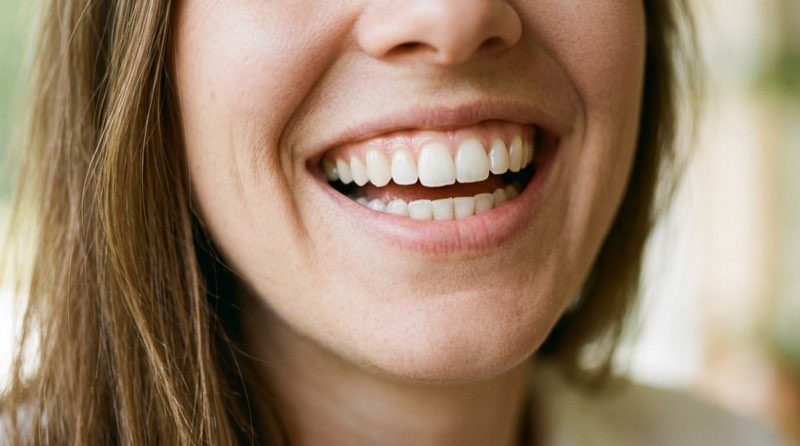
Smile design and oral rehabilitation are not the same thing. Smile design usually focuses on improving the visible appearance of teeth and the smile, while oral rehabilitation is a broader clinical plan that aims to restore or preserve function as well as appearance. At Clínica DrDiente Roma Norte, an evaluation can help clarify which conversation fits your current needs: changes in color, shape, spaces, or symmetry; or concerns involving damaged, missing, worn, or unstable teeth. This article is educational; only a dental professional can evaluate your individual situation.
A simple way to picture the distinction is this: smile design is often about the front of the house—what you see when you smile. Oral rehabilitation is about the house as a whole: its appearance, but also the doors, structure, and how everything works together. Sometimes the two overlap. Sometimes they should happen in a different order.
Why the difference matters in Roma Norte and CDMX
The right term matters because it changes the questions worth asking. If your main concern is a tooth color difference, a small gap, or an uneven edge, the conversation may begin with aesthetic options. The American Dental Association describes veneers as cosmetic dentistry and notes that they may improve the appearance of stained, broken, irregular, or spaced teeth. Read the ADA overview of veneers.
Oral rehabilitation has a wider starting point. A definition indexed in PubMed includes restoring both function and aesthetics. In practical terms, a plan may consider chewing, speech, bite stability, damaged teeth, missing teeth, gums, and the way remaining teeth work together. Treatments can involve restorative, prosthetic, periodontal, endodontic, orthodontic, or implant-based care depending on the findings. See the PubMed definition of oral rehabilitation.
This is not a contest between a “better” cosmetic plan and a “better” functional plan. They answer different needs. Aesthetic goals are valid, and function matters too. The useful question is: what must be understood first so the plan matches my mouth and my priorities?
There is an important practical point here. A visible concern can be the first thing you notice, but it may not be the only thing a professional evaluates. Think of repainting a wall: the color decision can wait if there is moisture underneath. That does not mean the desired appearance is unimportant; it means the underlying condition may guide the sequence.
What smile design can include—and what it does not automatically mean
“Smile design” is commonly used for planning changes to dental and facial appearance, such as color, shape, perceived position, symmetry, and spaces. Depending on the case, discussion may include whitening, bonding with resin, orthodontics, veneers, or crowns. The phrase itself is not a diagnosis, and its use can vary between practices.
Veneers deserve a careful conversation rather than a quick assumption. According to the ADA, veneers may require removal of enamel, making treatment irreversible; they may also fracture, wear, or come loose. The ADA also advises treating cavities or gum disease before veneers, because placing them over untreated problems can worsen existing conditions. Review the ADA’s veneer considerations.
An attractive result is not defined by one material or one procedure. It is defined by whether the plan is appropriate for the person being evaluated. Teeth have natural variation in shape, texture, and proportion; a thoughtful conversation should not reduce every smile to the same template.
That raises a reasonable concern: does wanting a smile change mean you are committing to a major treatment? Not necessarily. An evaluation is a space to understand options, limits, and sequence. It is not a substitute for diagnosis, and requesting an appointment does not itself confirm a treatment plan.
When oral rehabilitation may be the broader conversation
Oral rehabilitation may be discussed when restoring or replacing damaged or absent tooth structure is part of the concern, especially where function needs attention alongside appearance. The National Institute of Dental and Craniofacial Research explains that restorative materials are used to repair or replace damaged or missing teeth and tissues; crowns, veneers, and bridges are examples of indirect restorations. Learn about dental restorative materials from NIDCR.
This does not mean every damaged tooth needs the same solution, or that every person missing a tooth needs an implant. A review of rehabilitation after tooth loss found positive oral-health quality-of-life effects in included studies, while also concluding that there were too few quantitative studies to generalize which specific intervention provides the best outcome. Read the systematic review summary on PubMed.
That uncertainty is useful, not discouraging. It is why a plan should be individualized rather than chosen from a menu. Remaining healthy tooth structure, gum condition, bite, general health, habits, and personal goals can all matter in a professional assessment.
Implants, for example, require surgery and integration with bone. NIDCR and the ADA note that inflammation around an implant, infection, bone loss, overload, or lack of integration may contribute to failure; tobacco use and some chronic conditions can also make healing more difficult. NIDCR restorative-material information and the ADA implant overview explain these considerations.
Here is the reassuring part: a comprehensive evaluation is not meant to make a decision feel more complicated. It is meant to make the next step more understandable. Knowing whether the priority is appearance, function, or both helps turn a vague concern into a clearer conversation.
Questions to bring to your consultation in Roma Norte
A good consultation should leave room for your goals and for clinical findings. You do not need to arrive knowing the treatment name. You can describe what you notice, what bothers you, and what you hope to improve.
- What is the main issue you see: appearance, function, or both?
- Are there cavities, gum concerns, bite issues, or tooth wear that should be addressed first?
- What options could be considered, and what are the benefits, limitations, and maintenance needs of each?
- Would this option require changing natural tooth structure, and is that change reversible?
It can also help to ask what follow-up may be needed and what signs should prompt you to contact the clinic. Restorations are not permanent: NIDCR notes that the oral environment and chewing can degrade them over time, and repeated replacement can increase the risk of losing natural tooth structure. See NIDCR’s explanation of restoration longevity considerations.
Asking these questions is not being difficult. It is part of informed decision-making. A plan should make sense to you before you move forward.
Frequently asked questions about smile design and oral rehabilitation
Is smile design the same as oral rehabilitation?
No. Smile design generally centers on aesthetic planning for concerns such as color, shape, symmetry, or spaces. Oral rehabilitation is broader and can address function and aesthetics, including restoration or replacement of damaged or missing teeth. The exact approach depends on a professional evaluation. PubMed describes rehabilitation as restoring function and aesthetics.
Can oral rehabilitation change my smile?
It can, because restoring or replacing teeth may alter visible appearance. However, its purpose is not only cosmetic. The focus may include chewing, speech, bite stability, and preservation of oral function as appropriate to the case.
Are veneers considered oral rehabilitation?
Veneers may be part of a broader restorative plan in selected situations, but they are commonly presented as cosmetic dentistry. The ADA identifies veneers as a cosmetic option and describes appearance-related situations in which they may be considered. See the ADA veneer resource.
Should cavities or gum problems be treated before aesthetic treatment?
The ADA advises treating cavities and gum disease before veneers because untreated problems can worsen beneath or around treatment. What should be addressed first in your case requires a clinical assessment. Read the ADA guidance on veneers and oral health.
How do I request an evaluation in Roma Norte?
You can request an evaluation through the contact page or review local clinic information at Dentist in Roma Norte. Clínica DrDiente Roma Norte is located at Monterrey 147, Roma Norte, Cuauhtémoc, 06700 CDMX. Requests may be made by phone at +52 56 1016 7727. Hours are Monday through Saturday, 09:00–18:00; closed Sunday. A request for an appointment is not a confirmation.
If you are deciding between a smile-focused change and a broader restorative conversation, start with the concern you have today. Describe it plainly, ask what should be evaluated first, and allow the professional assessment to guide the next step. For support arranging a visit in Roma Norte, use contacto. The information here is educational and does not provide an individual diagnosis or replace a professional evaluation.

Information from Clínica DrDiente
Aesthetic Dentistry & Oral Rehabilitation · COFEPRIS 2409132002A00145
This content is informational and is not a substitute for professional dental advice. Book an assessment for a personalized diagnosis.