
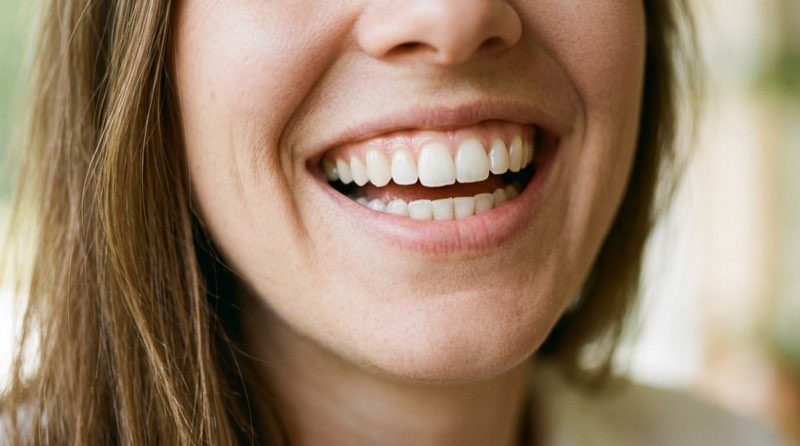
Choosing tooth color is not simply about picking the brightest white. At Clínica DrDiente Roma Norte, the useful starting point is to compare your natural teeth, your goals, and any existing restorations before deciding on a shade. A thoughtful selection considers light, neighboring teeth, and the type of treatment being considered. This article is educational; the assessment of your individual case belongs to a dental professional.
To request an assessment in the area, you can contact the clinic through contact or review local details on the Roma Norte dentist page. The clinic is located at Monterrey 147, Roma Norte, Cuauhtémoc, 06700 CDMX, and receives appointment requests Monday through Saturday, 09:00–18:00. A request is not a confirmed appointment.
Why tooth color selection matters in Roma Norte, CDMX
A natural-looking smile has variation. Teeth are not flat, uniform blocks of white; they can look slightly different from one another and even within the same tooth. The goal when matching a restoration or planning an aesthetic change is usually to create harmony with nearby teeth and with the appearance you want, rather than chase one universal shade.
Visual shade selection can change with lighting, the observer, and the tooth itself. A systematic review found better color agreement with spectrophotometers, digital cameras, and smartphones than with conventional visual shade guides, while intraoral scanners did not show a significant overall improvement over visual guides in the studies analyzed. That does not make any method perfect; it explains why shade choice is a comparison and conversation, not a button that produces one unquestionable answer. Read the systematic review.
Key idea: there is no single “correct white” for every person. Research using calibrated dental photography found a broad range of natural tooth colors that commercial shade guides did not fully cover. See the study on natural tooth-color variation.
That distinction matters before a crown, veneer, or filling is made. A restoration does not automatically change color later in the same way as natural enamel. Choosing deliberately at the beginning can make the next decisions clearer.
But what if the color you see is a stain rather than your natural baseline? That is the next useful question, because shade matching works best when the reason for the change has first been considered.
What can make teeth look darker, yellower, or uneven?
Color shifts can have more than one explanation. Coffee, tea, wine, tobacco, aging, trauma, and some medicines or treatments may affect how teeth look. As time passes, yellowish dentin may become more visible through enamel, which can change the overall appearance. The American Dental Association’s MouthHealthy overview explains common causes and whitening limits.
Not every mark should be treated as a cosmetic concern. White, brown, or black areas may be associated with tooth decay. The National Institute of Dental and Craniofacial Research notes that mineral loss can appear as an early white spot, while more advanced lesions may show white, brown, or black staining. Color alone cannot identify the cause, so a new or localized change deserves professional assessment rather than an assumption. Read NIDCR information on tooth decay.
- Surface staining: may alter the outer appearance of a natural tooth.
- Internal color change: may have a different cause and may not respond in the same way.
- Existing dental work: crowns, veneers, fillings, implants, and dentures do not lighten like natural teeth.
- A sudden change: especially with pain, sensitivity, a cavity, or swelling, calls for an assessment.
Think of shade selection like choosing a paint sample for a wall beside an existing floor: the sample can look different in morning light, warm indoor light, and next to the materials that will remain. The comparison is meaningful only when the setting is understood.
Can whitening make every tooth the same shade?
No. Whitening changes the appearance of natural teeth through hydrogen peroxide or carbamide peroxide, which break down pigments. It does not lighten crowns, veneers, implants, or fillings, and it may not correct every kind of darkening. MouthHealthy describes how whitening works and what it does not change. If natural teeth and restorations are side by side, the assessment can help clarify the order in which cosmetic decisions may be considered.
Do whitening toothpastes change the inside color of a tooth?
Not necessarily. Products intended to remove stains generally work on surface discoloration; they do not necessarily change the intrinsic color of a tooth. See MouthHealthy’s explanation of stain-removal toothpastes. This is why it helps to distinguish “cleaner-looking” from a true change in underlying shade.
There is another detail many people only notice after they begin comparing shades: restorations and natural teeth do not always respond alike. Knowing that in advance can prevent a color decision from feeling confusing later.
How a tooth shade can be discussed before aesthetic treatment
A consultation can turn a vague wish—“I want a whiter smile”—into a more specific and useful conversation. The clinician may compare the teeth visually with a shade guide and may use available instruments when appropriate. Because each approach has limits, the aim is informed matching, not a claim of mathematical perfection. The review of shade-selection methods discusses this variability.
Before deciding on a new color for veneers, crowns, or fillings, it is sensible to identify which teeth are natural and which already have restorations. If whitening is being considered, the timing matters because natural teeth may change while restorations do not. The professional can assess the mouth and discuss what can reasonably be coordinated.
- Describe what you notice: overall yellowing, one darker tooth, spots, or a mismatch with a restoration.
- Discuss your preferred look in everyday terms, such as natural, brighter, or closely matched to neighboring teeth.
- Review restorations and whether their color can change with the option under consideration.
- Confirm the next step after the oral assessment, rather than selecting a shade in isolation.
This approach also leaves room for oral health. A cosmetic color choice should not distract from signs that need examination first. A shade is an aesthetic reference, not a diagnosis.
Is the whitest shade always the best choice?
Not necessarily. A brighter shade can be a personal preference, but the best-fit choice depends on the natural teeth beside it, the treatment being discussed, and your desired appearance. Since natural teeth show wide color variation and shade guides simplify that variation, an exact match is not always possible. The calibrated-photography study supports this limitation.
Can a white spot mean that a tooth is healthy?
Not always. A white spot may be related to early mineral loss, and white, brown, or black changes can be seen in tooth-decay lesions. NIDCR explains these possible signs. It is important not to diagnose a spot from color alone; an assessment can determine what it represents.
So when is a color concern worth moving from observation to an appointment? The answer is practical: when the change is new, focused in one area, uncomfortable, or relevant to a treatment you are considering.
When to request a dental assessment in Roma Norte
Request an assessment if a tooth changes color suddenly, if an area is becoming darker or more noticeable, or if color change comes with pain, sensitivity, a visible cavity, or gum swelling. These signs may relate to decay, trauma, or another alteration rather than only to external staining. NIDCR provides guidance on decay signs.
It is also appropriate to ask for a professional assessment before whitening or before selecting a shade for a crown, veneer, or filling. Whitening can cause dental sensitivity, irritation of the gums or throat, and white patches on the gums; excessive use may damage enamel or gums. The NHS outlines these risks and limitations. This is not a reason to assume a treatment is right or wrong for you; it is a reason to have the situation reviewed first.
Where and how can I request a color assessment in Roma Norte?
You can submit a request through the contact page or visit Clínica DrDiente Roma Norte information for the local location: Monterrey 147, Roma Norte, Cuauhtémoc, 06700 CDMX. The clinic’s listed hours are Monday through Saturday, 09:00–18:00; Sundays are closed. An appointment request does not confirm an appointment.
What should I ask during the consultation?
Useful questions keep the discussion centered on your circumstances and options:
- What could be contributing to this color change?
- Are the teeth I want to change natural teeth or restorations?
- What shade range may look balanced next to my neighboring teeth?
- Are there oral-health findings that should be addressed before an aesthetic decision?
Bring up any recent injury, sensitivity, discomfort, or change you have noticed. Those details can be more informative than trying to name a shade at home.
A clear next step for your smile color question
Tooth color is chosen through comparison, clinical context, and personal preference—not by assuming that brighter is automatically better. Light, natural variation, stains, and existing restorations all matter. If you are considering whitening or need a restoration to blend with nearby teeth, a professional assessment can help you understand the available path without treating an online article as an individual diagnosis.
For an assessment in Roma Norte, CDMX, send your request through contact or consult the Roma Norte clinic page. Share whether your question concerns a general shade change, one tooth, or a future restoration so the conversation can begin with the information that matters most.
To request an appointment in Roma Norte, call +52 56 1016 7727.

Information from Clínica DrDiente
Aesthetic Dentistry & Oral Rehabilitation · COFEPRIS 2409132002A00145
This content is informational and is not a substitute for professional dental advice. Book an assessment for a personalized diagnosis.