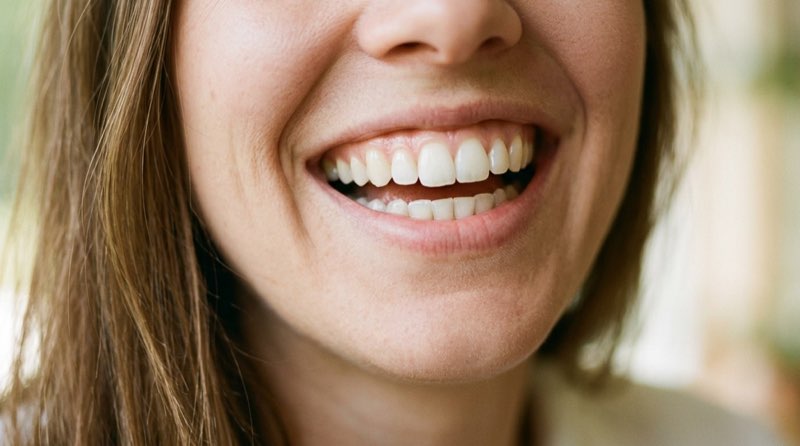
Yes, you can often explore how your smile may look before treatment through a digital smile simulation. At Clínica DrDiente Roma Norte, this preview can help you discuss what you would like to change, what is clinically feasible, and which questions matter before deciding on treatment. It is a planning and communication tool, not a promise of an identical final result. Your teeth, gums, bite, facial features, and treatment options still need an in-person professional assessment.
What a smile preview can show in Roma Norte
A digital smile design commonly uses photographs, scans, and software to create a proposed visual change. Think of it like looking at a renovation sketch before changing a room: it helps you picture directions, compare ideas, and talk about priorities. The sketch is useful, but it is not the finished room and cannot reveal every detail behind the wall.
In a dental setting, a preview can make a conversation more specific. Rather than saying, “I want a nicer smile,” you may be able to discuss tooth proportions, visible spaces, alignment impressions, or the balance between teeth and lips. A review of digital smile design notes that the software should be used alongside a comprehensive facial, dental, and gum evaluation before treatment begins. Read the PubMed review.
That distinction is important. A screen image may be a starting point, while the clinical examination determines whether a proposed path respects oral health and function. The treatment under consideration could be orthodontics, whitening, veneers, crowns, implants, or a more conservative alternative. The right route depends on the findings, not on the image alone.
A useful preview answers “what could we discuss?” rather than “what is guaranteed to happen?” It can support clearer expectations, especially when you want to understand trade-offs before making a decision.
But what does the image leave out? That is where a good conversation becomes more valuable than a perfect-looking mock-up.
Why the assessment matters as much as the image
A smile is not only the front view in a photograph. Your bite, gum condition, tooth structure, lip movement, root position, response of biological tissues, and lighting can all affect planning and the final appearance. Digital programs also differ in which facial and dental parameters they assess, and some may have limitations in facial-esthetic analysis. The same review describes these limits.
This is why a beautiful simulation does not automatically mean a particular treatment is suitable. If the mouth needs care before an esthetic procedure, that should be part of the plan. A professional assessment helps place health and function in the same conversation as appearance. It can also identify whether a less invasive option deserves consideration.
Research is encouraging but measured. A 2024 systematic review found that included studies suggested digital smile design may improve communication, patient satisfaction, and clinical appropriateness of restorations; however, the studies were diverse. See the systematic review on PubMed. Another review and meta-analysis of AI-supported tools reported promising esthetic outcomes, while also finding substantial variation among studies, moderate risk of bias, and a need for more evidence on long-term durability and cost-effectiveness. Read the AI review and meta-analysis.
In everyday terms, software can be a helpful map. It does not replace the professional judgment needed to choose a safe and appropriate route. Information here is educational; a qualified professional must assess your individual situation.
Is the simulation my guaranteed final smile?
No. It is a revisable proposal for communication and planning. The final plan may change after assessment of teeth, gums, bite, and the practicality of each option. It is reasonable to ask which parts of the preview are visual ideas and which parts are realistically achievable for your mouth.
Can artificial intelligence make the treatment plan by itself?
No. AI-based tools may assist the planning discussion, but they should not replace clinical assessment. Current evidence has methodological limitations and does not establish an exact prediction for every person or long-term outcome. PubMed’s review of AI tools provides useful context on that uncertainty.
So, can a preview still be worthwhile? Often, yes—when it leads to better questions, not rushed assumptions.
Questions to bring to a smile-design consultation in CDMX
Bring your goals, but also bring curiosity. A consultation is a space to understand the reason for each recommendation. You do not need dental vocabulary to ask thoughtful questions; plain language is enough.
- Which parts of the preview are only visual, and what does the examination confirm?
- What conservative alternatives could address my goal?
- Would any proposed change be reversible or irreversible?
- What maintenance, follow-up, or future replacement could this option involve?
If veneers, crowns, or bridges are being considered, ask about the effect on natural tooth structure and the specific risks relevant to your case. These treatments can require removal of some tooth surface; some teeth may later need root-canal treatment. Gum recession, plaque accumulation around restorations, and the need for maintenance or replacement can also occur. See the University Dental Hospital of Manchester patient information.
Color planning is another practical topic. Whitening natural teeth does not change the color of porcelain, so a color mismatch can develop over time. The NHS hospital guidance explains this limitation. Asking when color is planned can help you understand the sequence of care.
Does a beautiful design mean I need veneers?
Not necessarily. A visual goal can have more than one possible path, and sometimes treatment is not advisable until other conditions are addressed. Ask what the preview assumes, what alternatives exist, and why a proposed option is or is not appropriate after the examination.
Can a preview account for my bite and gums?
It may contribute to the discussion, but an image alone cannot fully reproduce bite function, gum response, or all anatomical details. Those factors require clinical evaluation. This is one reason a simulation should be reviewed as part of a broader assessment, not treated as a stand-alone answer.
Will the color on screen match exactly?
Not exactly in every condition. Light, natural tooth color, surrounding tissues, materials, and time can influence how color is perceived. Treat the screen as a communication aid and ask how color choices will be assessed during planning.
There is one more question that often saves confusion: when should you seek an assessment instead of continuing to compare photos online?
When to request an assessment
Request an assessment when you are considering a change to your smile and want to know whether it fits your oral health and goals. It is especially sensible before choosing a treatment based on a social-media image, a filter, or a simulation. A consultation can clarify whether the goal calls for monitoring, hygiene care, orthodontic evaluation, restorative treatment, or another approach.
It is also appropriate to ask for an assessment if you are considering veneers, crowns, bridges, whitening, implants, or orthodontic treatment and want to understand limitations, maintenance, and irreversible changes before proceeding. If you notice gum concerns, tooth discomfort, a change in your bite, or damage to a restoration, seek professional dental advice promptly rather than relying on a digital image. This article cannot diagnose an individual condition.
Where and how do I request a valuation in Roma Norte?
You can request a valuation through the contact page or learn about the local practice on the Dentist in Roma Norte page. Clínica DrDiente Roma Norte is located at Monterrey 147, Roma Norte, Cuauhtémoc, 06700 CDMX. You may also call +52 56 1016 7727. Hours are Monday through Saturday, 09:00–18:00; the clinic is closed on Sunday. A request for an appointment is not an appointment confirmation.
A practical next step for your smile goals
Seeing a potential smile before treatment can make the process feel more understandable. It can turn a broad wish into a focused conversation about shape, balance, health, function, and the level of change you are comfortable considering. Its value is not certainty; its value is helping you make an informed decision with the professional who evaluates you.
When you request your valuation in Roma Norte, consider bringing a short list of priorities: what you would like to improve, what you want to preserve, and what concerns you about treatment. Then ask how the preview relates to your actual clinical findings. That is a clear, calm way to move from an image on a screen toward a plan that is appropriate for you.

Information from Clínica DrDiente
Aesthetic Dentistry & Oral Rehabilitation · COFEPRIS 2409132002A00145
This content is informational and is not a substitute for professional dental advice. Book an assessment for a personalized diagnosis.