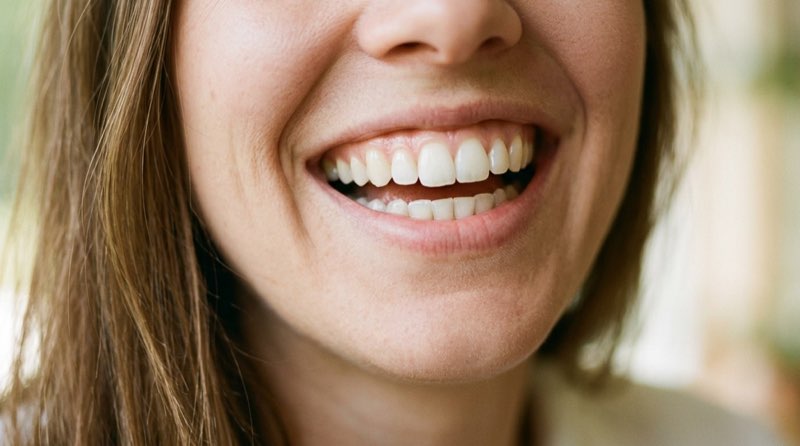
There is no single smile design that suits everyone. The most suitable option starts with your goals and an individual assessment of your teeth, gums, bite, and oral health—not with a one-size-fits-all template. At Clínica DrDiente Roma Norte, the conversation can begin with what you would like to change and what you would prefer to preserve. A natural-looking result may mean a subtle adjustment for one person and a more noticeable change for another. This information is educational; a qualified professional should assess your individual situation.
Why a personalized smile design matters in Roma Norte
A smile design is not simply about choosing whiter, larger, or straighter-looking teeth. It is a plan that can involve appearance, function, and the health of the tissues around the teeth. Research on smile aesthetics shows that people perceive details such as tooth shape and size, tooth position, the midline, gum display, and smile differently. The reviewed studies were varied, so these observations are useful reference points rather than universal clinical rules. The systematic review on PubMed also notes that preference matters and may differ between an individual and a professional.
Think of a smile design like tailoring a jacket. Two people can wear the same color, but the fit, proportions, and comfort still need to match the person wearing it. In dentistry, the “fit” includes your facial features and lips, but also less visible factors: whether your gums are healthy, how your teeth meet, and how much healthy tooth structure should be preserved.
That is why an image, filter, or digital preview can be a starting point for conversation, not a promise of an exact final result. The available evidence mainly evaluates how modified smile images are perceived; it does not establish one ideal design for every face or predict long-term personal satisfaction. Read the evidence review.
Here is the practical question: what should guide the decision when there are so many possible looks? The answer is a balance between your preferences, clinical findings, and what can be planned responsibly for your mouth.
What can guide a smile design that feels like you
A professional assessment may look at the front teeth, their proportions and position, your gum line, how much tooth shows when you smile, and the relationship between teeth, lips, and face. None of those elements should be treated as a standalone formula. A small difference that looks balanced on one person may look different on another.
- Your objective: Do you want a discreet refinement, a lighter shade, fewer visible spaces, or a change in shape?
- Natural references: Existing tooth color and the character of your smile can help frame the conversation.
- Gum and tooth health: These need attention before cosmetic restorations are considered.
- Bite and daily habits: Clenching, grinding, and certain bite patterns can affect whether a proposed restoration is appropriate.
“Perfect” is not always the same as “appropriate.” The American Dental Association explains that veneer shade selection can be matched to natural teeth. This leaves room for a goal that is understated, more visible, or simply more harmonious with the rest of the smile. ADA guidance on veneers.
Natural-looking teeth also have variation: gentle contours, texture, and individuality. A useful discussion is not “How can every tooth look identical?” but “What changes would still look coherent with my features and preferences?” That shift makes the plan more personal and easier to evaluate.
Health and function come before cosmetic changes
If a plan may include veneers or other restorations, oral health is not a side note. The ADA advises treating issues such as cavities or gum disease first, because covering unhealthy teeth can worsen existing problems. See the ADA’s patient information. A smile design should account for the health of the teeth and gums as well as the visual goal.
Veneers can improve the appearance of stained, chipped, irregularly shaped, mildly misaligned, or spaced teeth, but they do not replace diagnosis or treatment for every concern. They may involve removing enamel, and that treatment is not reversible. Veneers can chip, crack, wear, or come loose, which may mean repair or replacement. ADA guidance.
A clinical information document from the University Dental Hospital of Manchester also describes possible gum changes, plaque accumulation around restorations, and the possibility that some teeth may require root canal treatment. It notes that crowns, bridges, and veneers do not last forever. NHS clinical information document.
So, does this mean a cosmetic treatment is a bad idea? No. It means that the right path depends on a careful assessment. For some people, the next step may be planning a restoration; for others, addressing gum health, decay, tooth alignment, or bite concerns first may be more appropriate.
Questions people ask about smile design in CDMX
How do I know whether a smile design will look natural on me?
Start by describing what “natural” means to you. It may mean keeping distinctive features, avoiding an overly uniform look, or choosing a shade that relates to your existing teeth. A professional can then assess the teeth, gums, lips, face, and bite. Because aesthetic preferences vary and research does not identify one universally ideal smile, a preview or measurement should be treated as a discussion tool rather than a guarantee. PubMed systematic review.
Can a digital simulation tell me exactly how my final smile will look?
It can help communicate ideas, compare directions, and ask better questions. However, current evidence does not show that a digital simulation can reproduce the exact real-world outcome for every person. The final result depends on clinical conditions and treatment decisions identified during assessment. Evidence review.
Do veneers work for every smile concern?
Not necessarily. Veneers may be considered for certain cosmetic concerns, but they do not substitute for managing cavities, gum disease, or bite-related issues. The ADA also notes that bruxism, clenching, or a deep overbite may make veneers less appropriate. ADA patient resource. An assessment helps identify whether a veneer-based plan is suitable, whether another approach should be explored, or whether treatment should wait.
Will a smile design last forever?
No restoration should be presented as permanent. Veneers and other restorations can need maintenance, repair, or replacement over time. The ADA and the NHS clinical document both describe this limitation. Asking how a proposed option may be cared for, and what future maintenance could involve, is part of making an informed decision.
When should I request a smile-design assessment?
Request an assessment when you are considering a cosmetic change and want to understand the health, functional, and aesthetic factors before deciding. It is especially sensible to seek evaluation before veneers if you notice bleeding gums, symptoms that could suggest decay, concerns about clenching or grinding, a deep bite, or significant tooth misalignment. The ADA recommends managing cavities and gum disease before veneers, and identifies certain bite habits as relevant considerations. ADA guidance. This is not a diagnosis; a professional should determine what applies to you.
Where can I request an assessment in Roma Norte?
You can request an assessment with Clínica DrDiente Roma Norte at Monterrey 147, Roma Norte, Cuauhtémoc, 06700 CDMX. Requests can also be made through the contact page or by calling +52 56 1016 7727. Hours are Monday through Saturday, 09:00–18:00; Sunday is closed. A visit request is not an appointment confirmation.
What to ask during your consultation
A good consultation is a two-way conversation. You do not need to arrive knowing which treatment you want. It is enough to bring your goal, your questions, and any concerns about preserving your teeth or changing your appearance.
- What conditions in my teeth, gums, or bite should be addressed before an aesthetic treatment?
- What options could meet my goal, and what are the limits or trade-offs of each one?
- Would the proposed option involve removing tooth enamel, and is that change reversible?
- What maintenance, repair, or replacement might be needed over time?
You may also ask what a proposed change is intended to solve and what it cannot solve. Clear answers help you compare a subtle change with a more extensive one without assuming that one style is automatically better.
One more useful point: choosing a smile design is not a test you have to pass. It is a decision that should make sense clinically and feel aligned with your preferences. If the evaluation identifies an issue that needs attention first, that information is valuable because it helps protect the foundation of the plan.
A useful next step for Roma Norte
If you are wondering which smile design may suit you, begin with a professional assessment rather than a fixed template. Share what you notice in photos, what you would like to change, and what you want to keep. Then ask how your gums, teeth, and bite may influence the options.
For an assessment in Roma Norte, visit Clínica DrDiente Roma Norte, Monterrey 147, Roma Norte, Cuauhtémoc, 06700 CDMX, or use the contact page to submit a request. You can also call +52 56 1016 7727 during Monday–Saturday, 09:00–18:00. Appointment requests require confirmation. The purpose of the visit is to evaluate your case individually and discuss options; this article cannot provide a personal diagnosis or replace that professional evaluation.

Information from Clínica DrDiente
Aesthetic Dentistry & Oral Rehabilitation · COFEPRIS 2409132002A00145
This content is informational and is not a substitute for professional dental advice. Book an assessment for a personalized diagnosis.